Best Timing for Foundation Repairs
Foundation repairs are most effectively performed during specific periods of the year to ensure optimal results. Understanding seasonal conditions and their impact on foundation stability can help determine the best timing for repairs. Proper scheduling can minimize disruptions and enhance the longevity of the repair work.
Spring offers moderate weather conditions ideal for foundation repairs, with less extreme temperatures and manageable moisture levels.
Summer provides longer daylight hours and stable temperatures, though high heat can sometimes affect curing times for certain materials.
Fall typically features cooler, consistent temperatures and less rainfall, making it a suitable time for foundation work.
Winter is generally less ideal due to cold temperatures and potential for frozen ground, which can hinder excavation and curing processes.
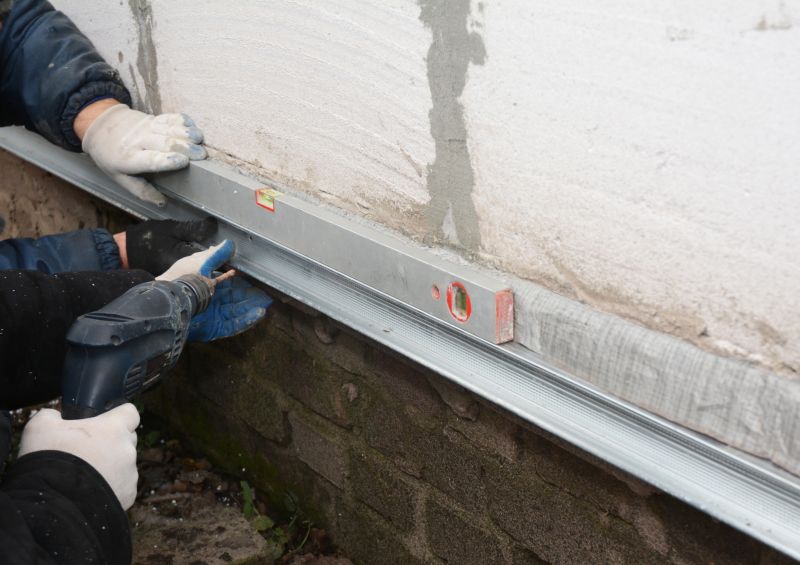
Image illustrating foundation stabilization work during favorable weather conditions.
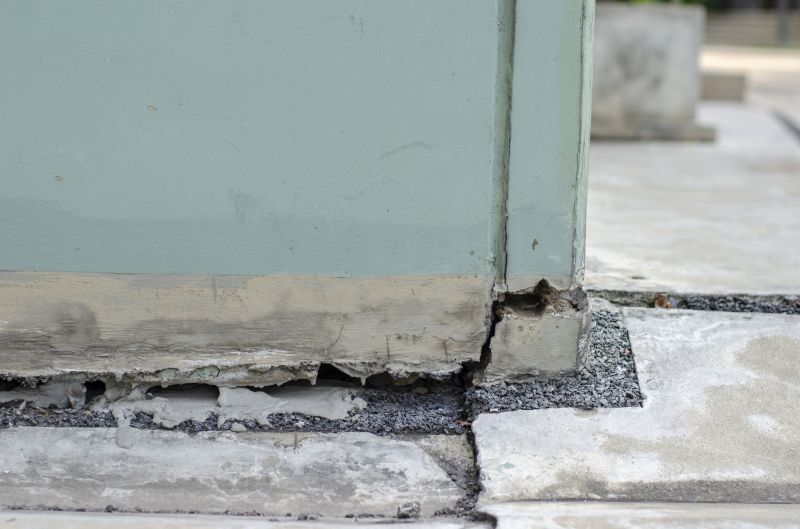
Visual showing soil expansion and contraction patterns across different seasons.
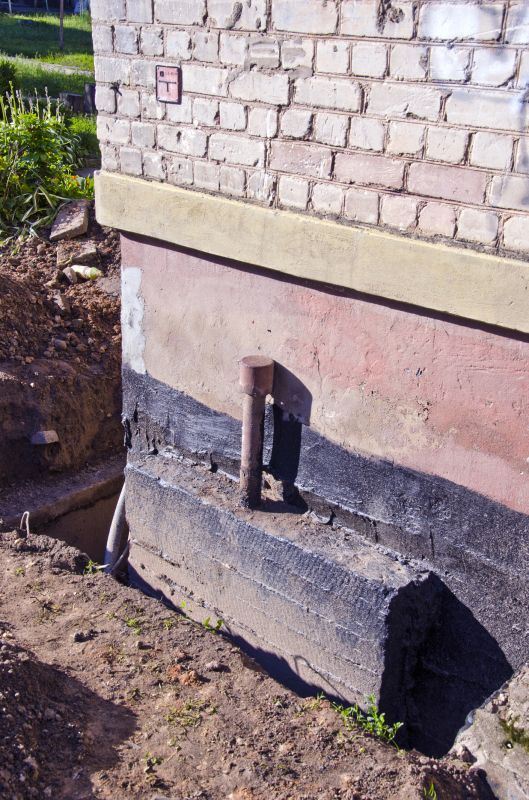
Photo of excavation process during optimal weather for foundation access.
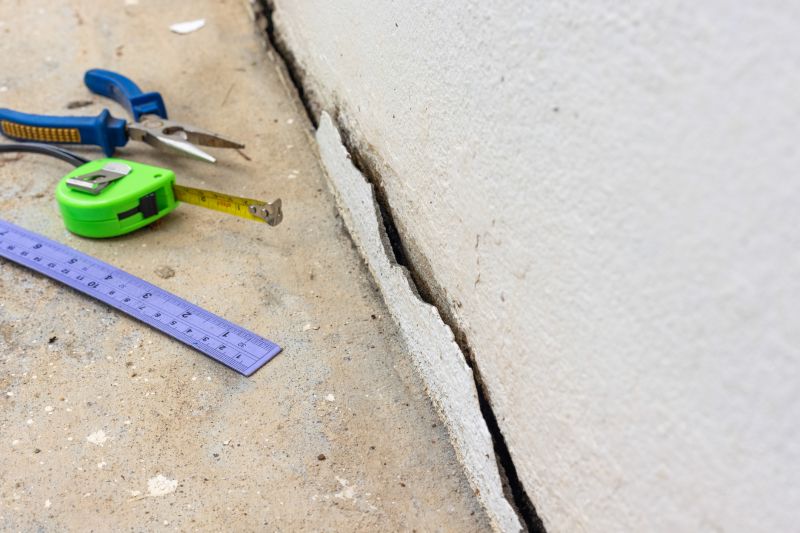
Ways to make Foundation Repairs work in tight or awkward layouts.
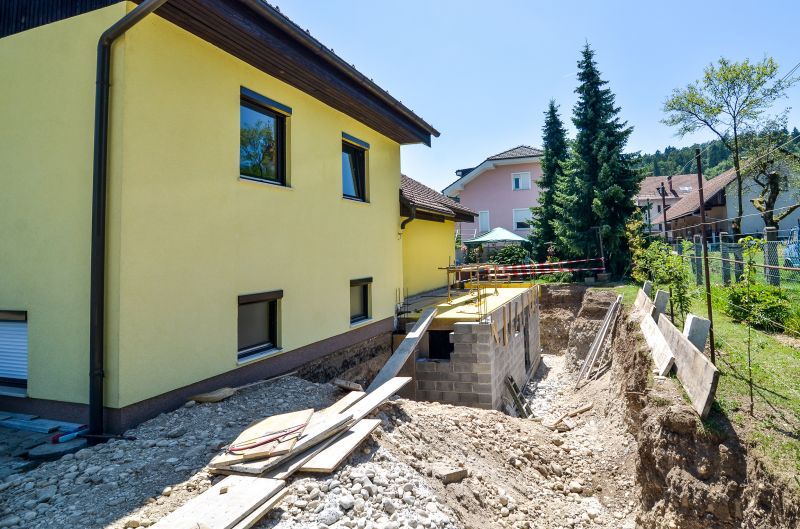
Popular materials for Foundation Repairs and why they hold up over time.
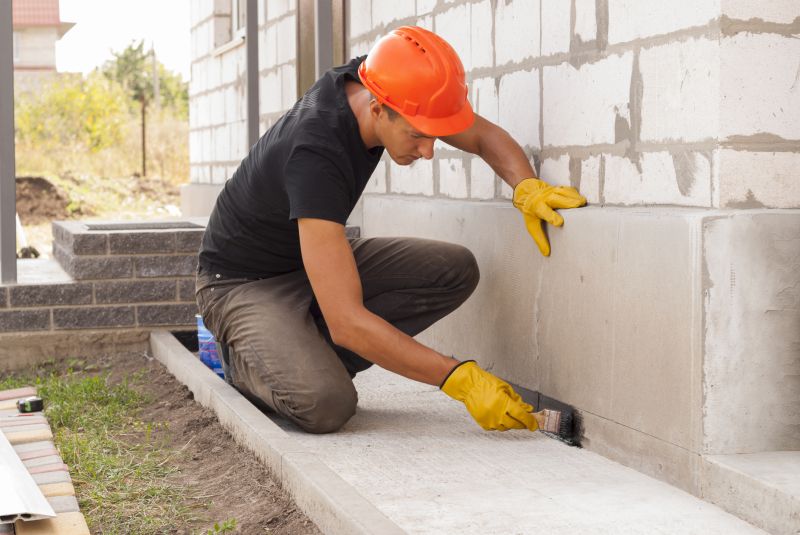
Simple add-ons that improve Foundation Repairs without blowing the budget.
| Season | Recommended Activities |
|---|---|
| Spring | Assess foundation, plan repairs, perform minor fixes |
| Summer | Conduct major repairs, stabilize soil, apply curing materials |
| Fall | Complete repairs, prepare for winter conditions |
| Winter | Limited repair activities, focus on inspections |
Foundation repairs are essential for maintaining the structural integrity of a building. They address issues such as settling, cracking, and shifting caused by soil movement, moisture changes, or poor initial construction. Timely repairs can prevent further damage, reduce long-term costs, and improve safety. Common repair methods include underpinning, piering, and stabilization, each suited to different types of foundation problems.
Statistics show that addressing foundation issues early can save homeowners significant expenses over time. Studies indicate that foundation problems account for a substantial percentage of structural repairs in residential properties. Proper timing and professional assessment are crucial to ensure repairs are effective and durable.
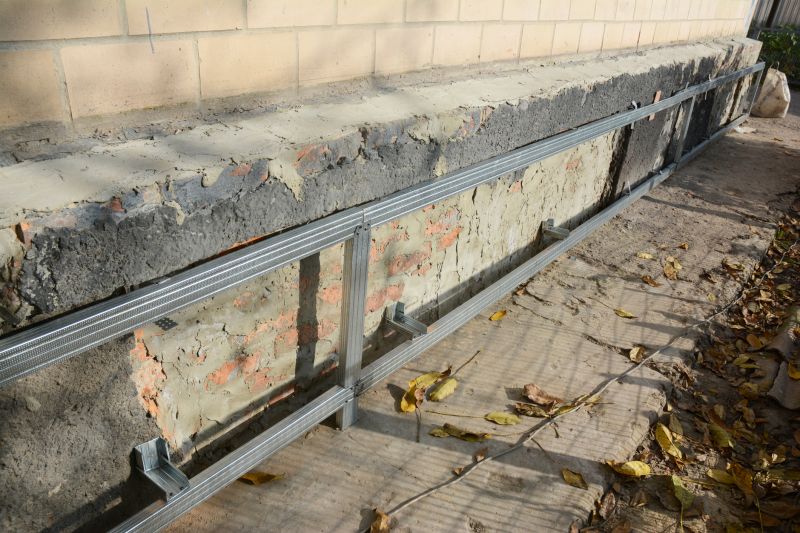
Image of crack injection and sealing process.
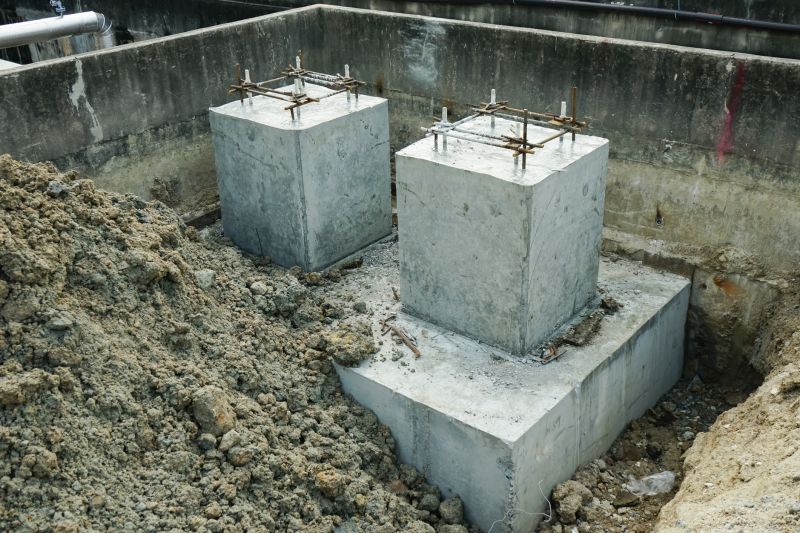
Photo illustrating pier installation for foundation stabilization.
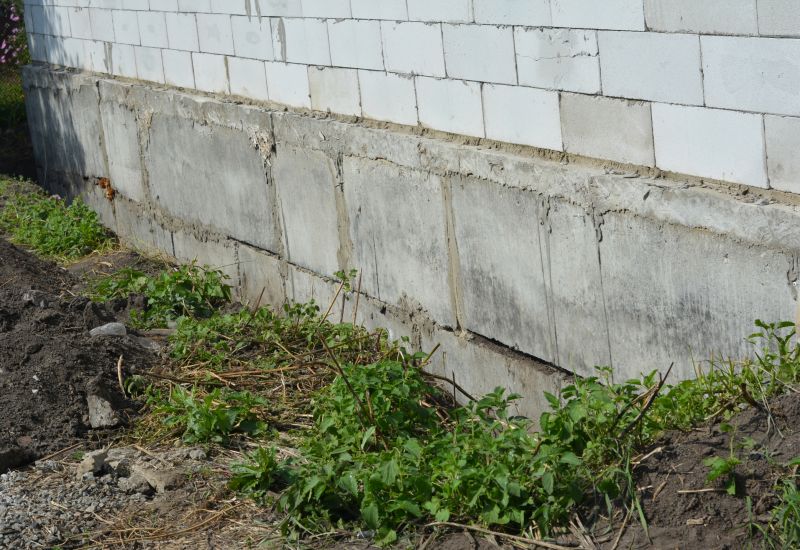
Visual of soil treatment methods used during repairs.
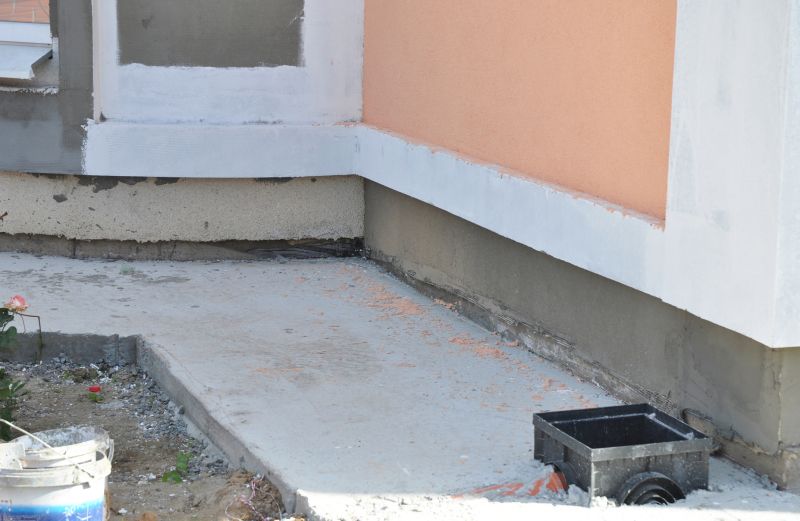
Showcase of a finished foundation repair project.
Interested property owners are encouraged to contact for assessments and repair options. Proper timing, combined with professional expertise, can ensure the longevity and safety of the foundation, safeguarding the structural integrity of the building.